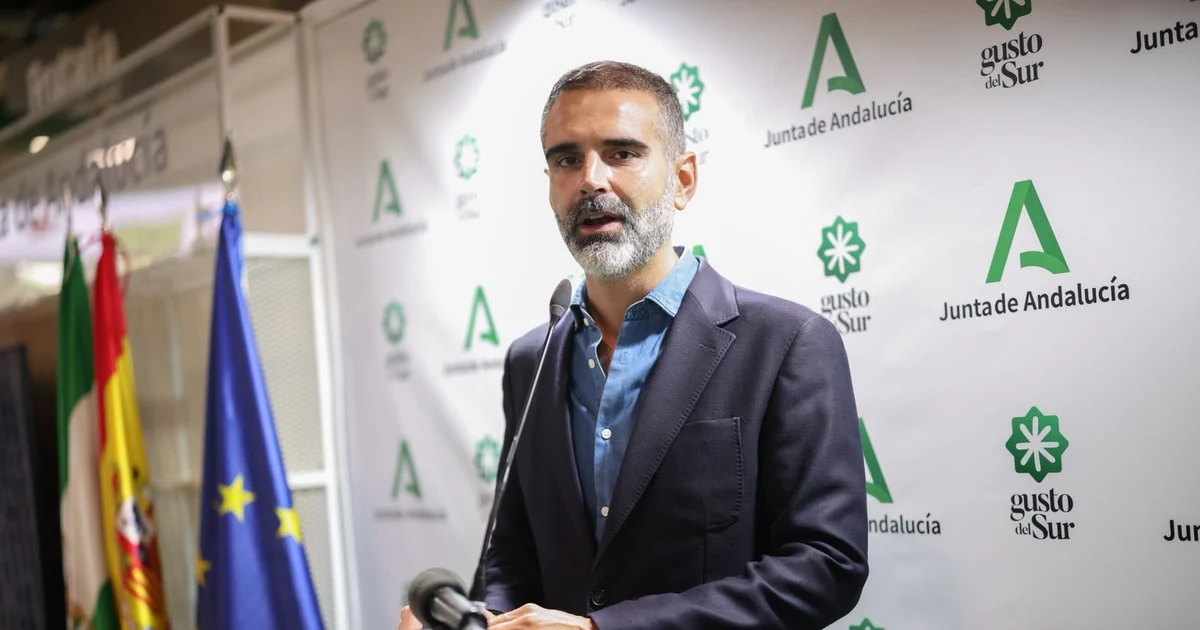
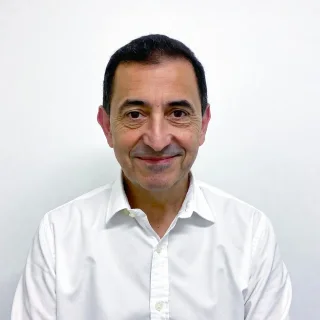
The president of the Veterinary College of Málaga speaks from his family riding school and warns about colics, the plague of hybrid wild boars, and the removal of horse-drawn carriages.
With 23 years of experience, veterinarian Juan Antonio De Luque (Málaga, 1978) divides his day between equine clinic work and his responsibilities at the Veterinary College of Málaga and the Ibero-American Federation. He welcomes this newspaper to his family riding school, located in the hills above the neighbourhood of Carlinda, where he has set up a kind of hotel for horses.
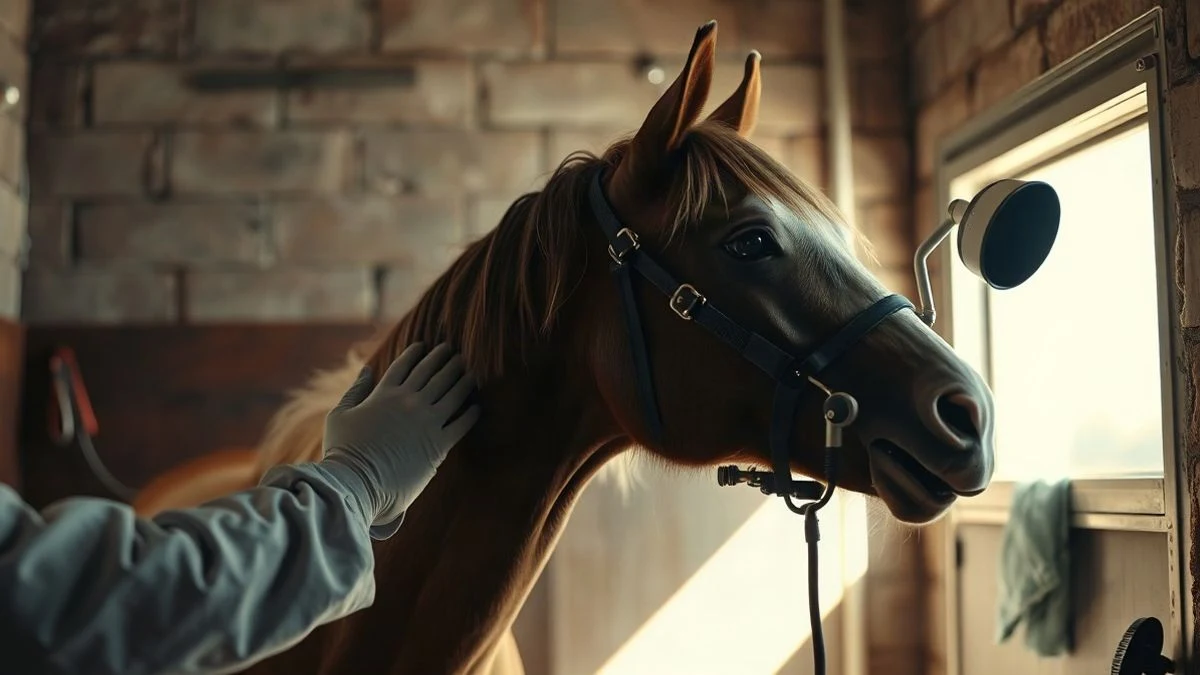
De Luque describes himself as a general equine clinician, "like a family doctor for horses." His work is mobile: he travels by car to equestrian centres across the province to address lameness, eye problems, colds, or dentistry, although emergencies tend to dominate his schedule, especially in summer.
The heat from the terral wind and the lack of quality pastures predispose horses to suffer from colics, the most common emergency. "80% of horses die from colic; you need to act quickly because they can die within three hours," he warns. A horse needs between 40 and 60 litres of clean water a day, and in Málaga, the stabling conditions increase the risk.
When asked about his treatment of animals, De Luque debunks the myth of the whisperer:
"More than whispering, you have to talk to horses; they have the ability to smell you and know what emotional state you are in."In his years of practice, he has received four kicks while performing ultrasounds, one of which caused a rib fracture.
The veterinarian also warns about the issue of hybrid wild boars in the province. After the pandemic, their population skyrocketed, and now 70% are crosses with domestic pigs. They sent a ten-point plan to the Administration with measures such as anti-tipping containers or replacing the grass in roundabouts with shrubs to avoid attracting them with irrigation.
Regarding the controversial removal of horse-drawn carriages in Málaga, De Luque believes that "it was a mistake to eliminate them in the name of modernity; regulation should come before prohibition." He proposes veterinary certificates, shade at stops, and schedules based on humidity and temperature.
The Veterinary College of Málaga, through its One Health chair and in collaboration with the Enzoem institute at the University of Córdoba, is studying the pathogens of these animals to prevent diseases transmissible to humans.
You may also like