The Medical College of Málaga will distribute 3,000 sensor bracelets at the Fair to detect substances in drinks, with a protocol for potential positives.
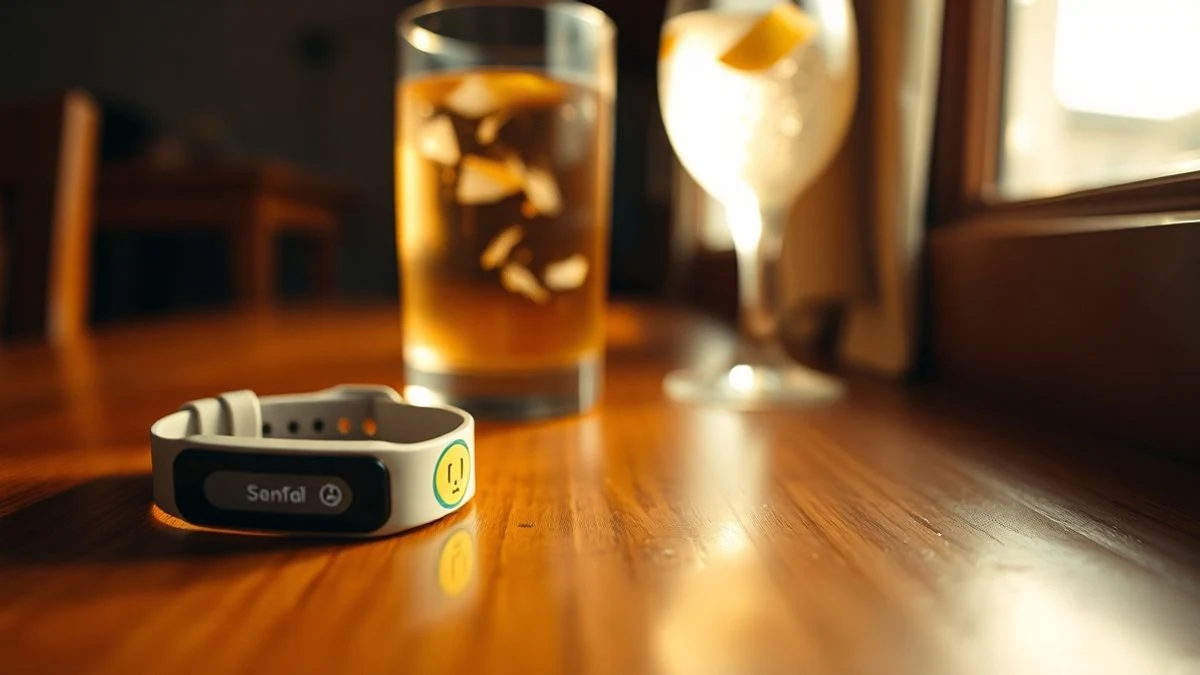
The Medical College of Málaga (Commálaga) has launched a pilot project to prevent chemical submission during the Málaga Fair. The initiative includes the free distribution of 3,000 sensor bracelets capable of detecting certain substances in drinks, as well as a coordinated action protocol for potential cases.
The bracelets will be distributed at the Violet Points set up in the Real del Cortijo de Torres, and the project has the collaboration of the Málaga City Council and the Unicaja Foundation. The presentation, held this Thursday, was attended by the president of the Medical College, Pedro J. Navarro, and the councillor for Social Rights, Francisco Cantos, among other authorities.
Navarro explained that the aim is to "provide a preventive tool during the Fair and, at the same time, facilitate a coordinated response to any suspicion." Councillor Cantos praised the collaboration between entities and framed the initiative within the municipal campaign 'Málaga, free from macho violence'.
This is how the bracelets work
Each bracelet incorporates two reactive sensors that, upon contact with a small amount of the freshly served drink, change colour or show fluorescence if they detect substances such as GHB (liquid ecstasy), ketamine, methamphetamines, or scopolamine. The demonstration was conducted by the third vice president of the College, Isabel García Ríos.
The bracelet can be used up to five times, as long as it does not test positive, and it is recommended not to use it from one day to the next as it loses effectiveness. The sensors should not be wet with water or soap to preserve their functionality.
Emergency doctor Patricia Alemán has warned that alert symptoms include sudden dizziness, intense drowsiness, confusion, difficulty speaking or moving, memory loss, or loss of consciousness. In any case, the bracelets are a deterrent and preventive measure, not a substitute for clinical tests.
What to do in case of a positive result
If the sensor tests positive, one should not consume the drink, keep the glass and prevent it from being handled, as it may be essential evidence. The affected person should go to the health care station at the Fair, next to the main facade, or call 112 to activate the protocol.
If part of the drink has already been ingested or symptoms are present, urgent medical assistance should be requested and one should remain accompanied. The College recommends conducting toxicological tests within the first two hours from the suspicion, as some substances metabolise quickly.
A negative result does not completely exclude the possibility of submission, so the recommendation to exercise extreme caution remains. The initiative adds to other municipal measures such as the violet points and training for booth staff, all declared spaces free of macho violence.

You may also like