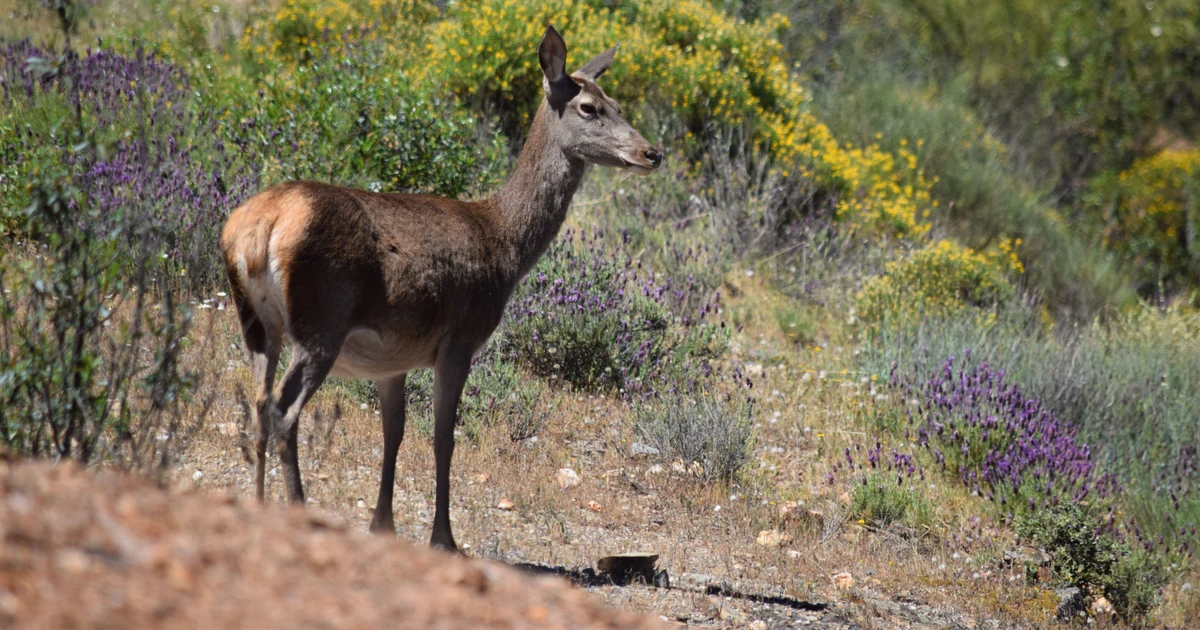
Málaga has been the scene of a significant effort by the Junta de Andalucía, which has carried out a sampling of over 1,000 wild fauna specimens during the 2025/26 season. This activity is part of the Wild Fauna Epidemiological Surveillance Programme in Andalucía, which began its journey in 2009.
Objectives of the Programme
The main objective of this programme is to detect diseases, understand their distribution, and protect wildlife, livestock, and public health. Through this sampling, the aim is to assess the health status of wild populations in the autonomous community.
The animals analysed have been randomly selected during hunting events and are considered apparently healthy. Biological samples have been collected, and epidemiological surveys have been conducted in approximately a hundred hunting grounds, in addition to extending the work to various Andalusian Hunting Reserves and protected natural spaces such as Doñana, Sierra de las Nieves, and Sierra Nevada.
Sampling Procedure
In each intervention, veterinarians from the PVE conduct an external and internal examination to identify possible injuries and parasites, as well as to collect the necessary samples for the study of specific diseases. The selected specimens are of various ages and sexes, allowing for a complete representation of the populations.
Since 2009, the PVE has carried out continuous monitoring of diseases present in Andalusian wildlife, analysing their evolution and distribution. Risk factors are also identified, and recommendations for health management are formulated, all coordinated among the competent bodies in environment, agriculture, and health.
The programme addresses both protected and game species and focuses on diseases that can be transmitted between wildlife and livestock, as well as zoonoses, which are those that can affect humans.
In the event of abnormal mortality or significant disease outbreaks, the Health Emergency Protocol is activated to determine the cause of the episodes and assess their extent.
The investigations carried out during the 2025/26 season have identified different disease episodes in Andalucía. These include cases of West Nile fever and outbreaks of avian influenza.
Collaboration with the hunting sector, personnel from Hunting Reserves, and Protected Natural Spaces has been essential to carry out this work. Once the samples have been analysed, information about the results and recommendations to improve the health of game species is provided to the holders of the hunting grounds.
Additionally, the programme has participated in both regional and international meetings, disseminating its findings through articles in scientific journals and providing data to universities and research entities.

You may also like