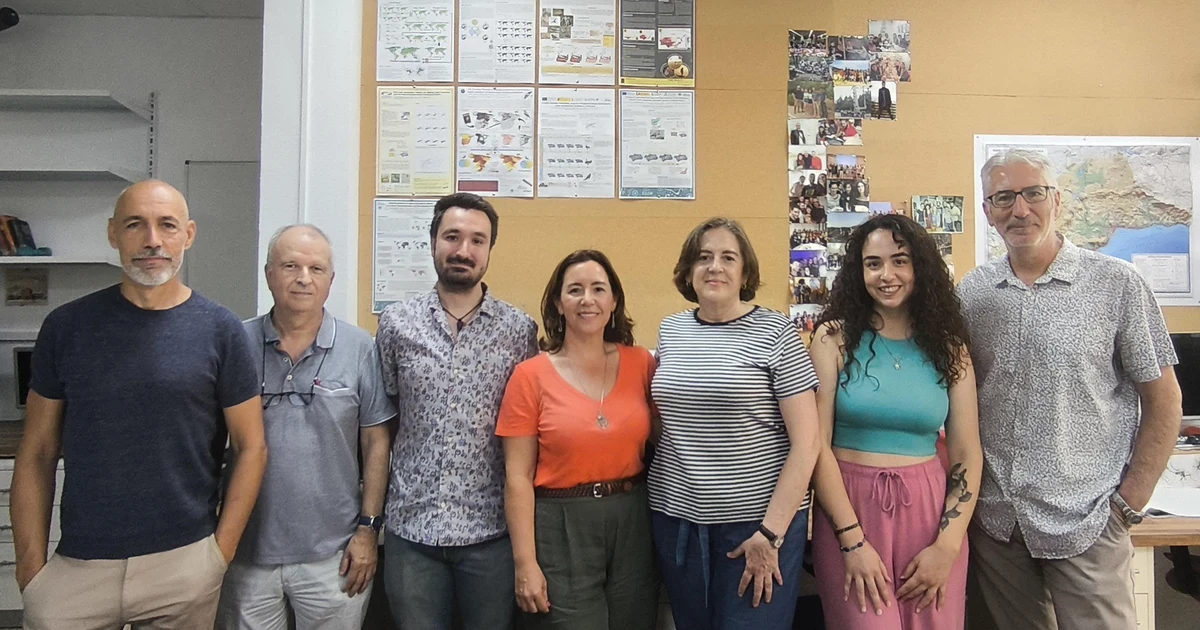
A study conducted by a research team from the University of Málaga has found that six species of raptors use a photovoltaic solar plant in the province of Málaga as shelter and hunting grounds. This research provides relevant information for wildlife conservation in the planning of new solar installations.
Since the solar plant was launched in the Guadalquivir Valley, scientists have conducted a two-and-a-half-year follow-up, documenting how these birds use the plant to rest and hunt.
Impact on Biodiversity
As the implementation of solar plants increases, concerns arise about their effect on biodiversity. Although few previous studies have been conducted, this analysis is carried out in collaboration with BioGea Consultores, the University of Extremadura, and Ofitecma Marbella.
Researcher Miguel A. Farfán from UMA points out that it is crucial to assess the impact that solar installations can have on bird species, which is not always negative. Thus, the aim is to integrate conservation criteria into the planning of future solar plants.
Field Observations and Collected Data
The study, published in the Journal of Raptor Research, documents the presence of six species of raptors, among which the common buzzard and the Eurasian kestrel are the most frequent. Additionally, the black kite was identified as the most abundant species in the area.
Researchers observed that the birds often perched on the solar panels and other high points, allowing them to survey the terrain and search for prey. A significant population of rabbits, hares, and small mammals was found in the surrounding areas, favouring the coexistence of the raptors.
The study also highlighted that soaring birds take advantage of the updrafts generated by the heat from the solar panels, helping them save energy during their flights. During the follow-up, no dead or injured birds were recorded, showing that the plant does not pose a significant risk to them.
However, researchers warn that these findings cannot be generalised to all solar installations. More research is needed to understand the behaviour of raptors in the broader context of the expansion of solar plants in Andalusia.
The research, which is part of the Complementary Plan for R&D+i in the area of Biodiversity, has been supported by various institutions, including the Junta de Andalucía and the European Next Generation EU funds.

You may also like