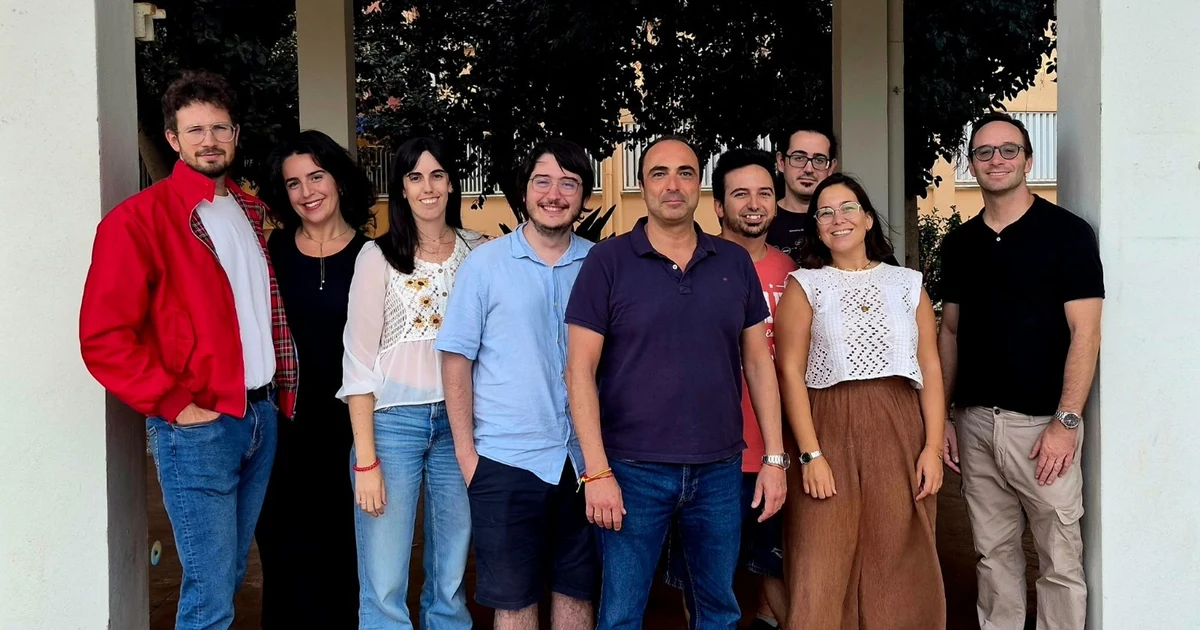
On 11 November 2026, a team of researchers from the Biomedical Research Institute of Málaga and the University of Málaga developed a new computational methodology. This advancement allows for the prediction and prioritisation of genes that could compensate for the loss of function of other genes related to diseases.
The finding, published in the journal Artificial Intelligence in Medicine, opens new possibilities for treatments aimed at activating these compensatory genes, thus avoiding the need for complex gene therapies.
Methodology and study approach
The researchers have utilised a phenomenon known as functional genetic compensation. When a gene stops functioning properly, another gene with similar functions can take on part of its role, mitigating the consequences of the alteration. However, discovering these genetic relationships experimentally is a complex challenge.
Through bioinformatics techniques, network analysis, and machine learning, the team has created a system that studies large amounts of biological information. The methodology uses data from eight biomedical resources to construct 19 functional gene networks.
The system transforms the relationships between genes into mathematical representations that allow for the detection of similarities that are not always evident through conventional analyses. By using network analysis techniques, the researchers manage to reduce the number of candidate genes to study in the laboratory.
Applications in genetic diseases and cancer
To validate the tool, the team tested it with diseases where genes that compensate for failures in others are known. The system correctly identified compensatory genes in three pathologies: Duchenne muscular dystrophy, spinal muscular atrophy, and beta-thalassemia.
Additionally, the researchers explored the application of the tool in cancer, analysing known cases in prostate cancer and breast cancer. In these diseases, a gene can take on functions that help tumour cells survive treatments, which could contribute to a better understanding of therapy resistance.
The study concludes that the tool can be used as a first filter to identify potential genetic relationships, facilitating future research.
Finally, it is suggested that the identification of compensatory genes could open new therapeutic strategies, focusing not only on repairing altered genes but also on enhancing the activity of these backup genes.
The authors of the study emphasise some limitations, as the mechanisms of compensation may vary depending on the context, and the model relies on information from existing biological databases.

You may also like