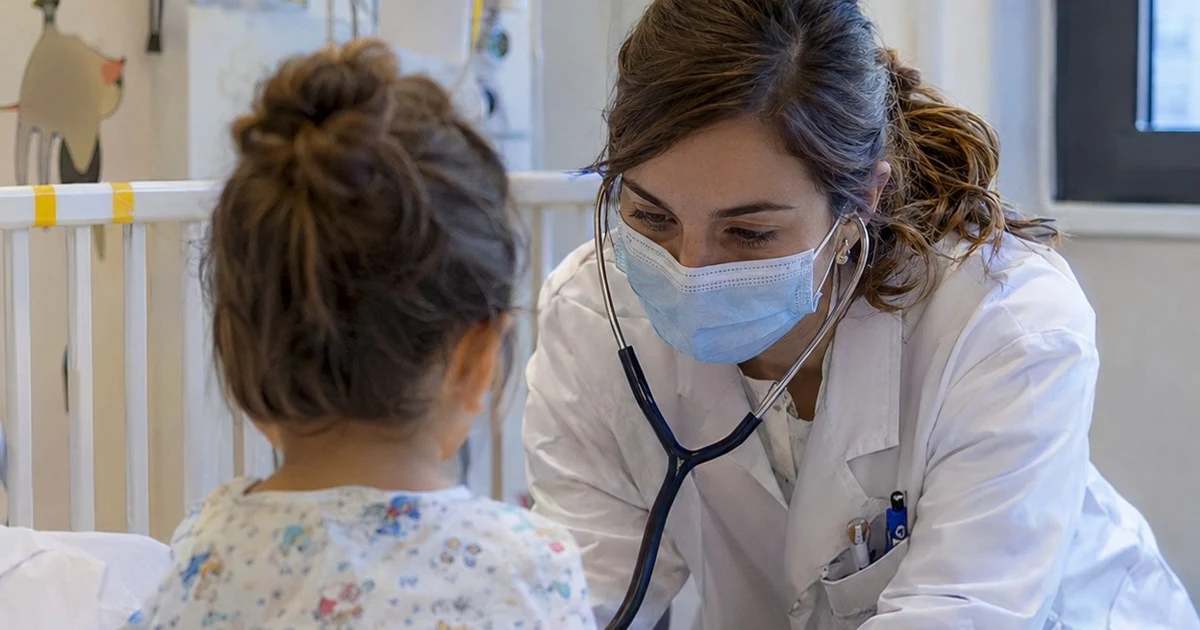
Málaga was the setting for the multicentre study that has revealed that the vaccine against respiratory syncytial virus (RSV) can prevent hospitalisations in infants even during their second year of life. This finding comes from work carried out by the Multidisciplinary Paediatric Research Group of IBIMA, in collaboration with the Paediatrics Service of the Maternal and Child Hospital of the Regional University Hospital of Málaga and the Faculty of Medicine of the University of Málaga (UMA).
Study Results in Infants
The research, published in the scientific journal Pediatrics, examined the effect of administering the monoclonal antibody nirsevimab during the first months of life. Results indicate that, after receiving the dose in the 2023-2024 season, it is associated with a 17% reduction in hospitalisations due to respiratory infections in the following season, 2024-2025, and up to 25.4% in positive RSV cases.
The study included 1,375 infants born between 1 April 2023 and 31 March 2024, of which 275 were hospitalised due to respiratory infections. The results suggest that the protection from nirsevimab could extend beyond the first vaccination season, opening new lines of research.
Collaboration and Next Steps
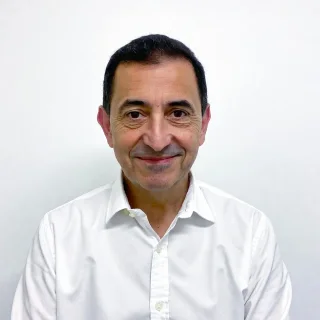
The first author of the study is David Moreno Pérez, who coordinates a collaborative effort among several hospitals in Andalusia, including the Virgen del Rocío University Hospital and the Reina Sofía University Hospital. This extensive collaboration involved other eight hospitals from different provinces and various academic institutions.
The authors highlight that the observational design of the study does not allow for establishing a definitive causal relationship, so new research is proposed to confirm these results. The aim is to assess the medium-term impact of nirsevimab in both clinical and economic terms.
You may also like