The Málaga Regional Hospital has commemorated the World Chronic Obstructive Pulmonary Disease (COPD) Day with an informative event aimed at patients and their families. This event, held every third Wednesday of November, has taken place thanks to the Pneumology Service of the hospital, which is part of the Andalusian Health Service (SAS) of the Andalusian Government.
Details of the Event
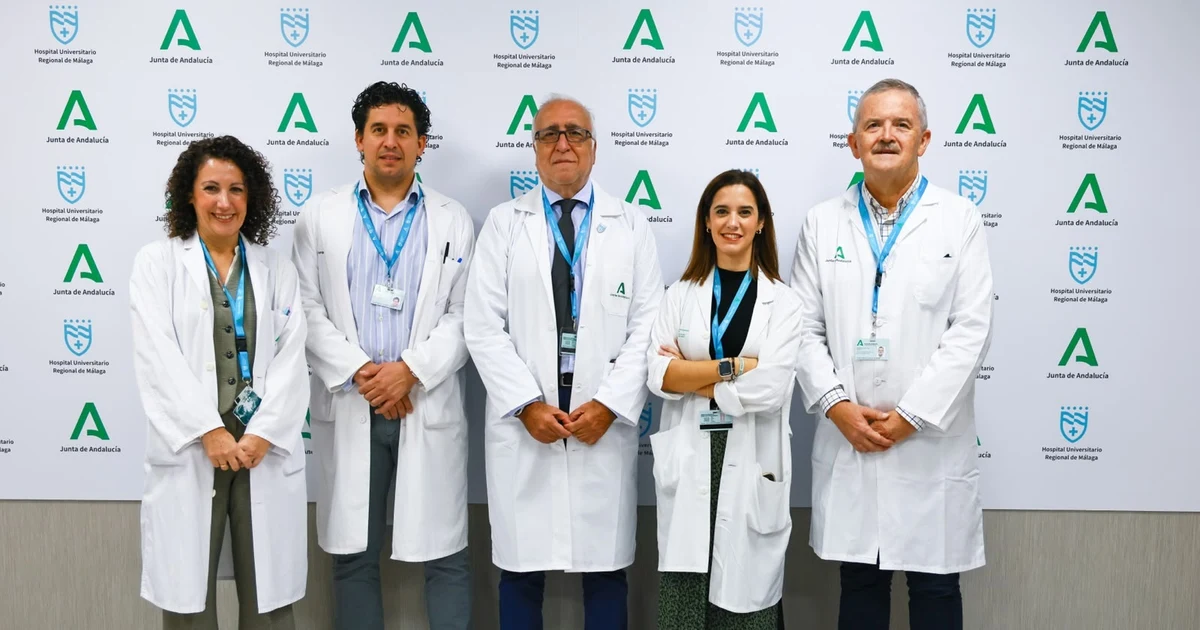
The activity is part of the Aula Respira initiative by the Spanish Society of Pneumology and Thoracic Surgery (SEPAR). Professionals from the Pneumology Service, such as Adolfo Doménech, Esperanza Doña, and Ana Muñoz, have provided information on the prevention, diagnosis, and treatments of this chronic respiratory disease.
The meeting has provided a space to resolve doubts and share experiences among attendees. During the event, special emphasis was placed on the early detection of COPD, which is often underdiagnosed. Characteristic symptoms include difficulty breathing, persistent cough, sputum production, and a feeling of chest tightness.
Importance of Health Education
Experts have advised that those experiencing persistent respiratory symptoms, especially from the age of 40 and with a history of smoking, should consult a doctor. Advances in inhaled treatments and biological drugs were discussed, as well as the relevance of personalized medicine in the treatment of COPD.
Health education and nursing intervention are fundamental in the follow-up of patients. The role of the hospital's specialized consultation was mentioned, which includes training, accompanying activities, and care via phone and email to resolve questions about treatments.
Esperanza Doña mentioned that "COPD requires a continuous and personalized approach" and that disease management is based not only on pharmacological treatments but also on the knowledge and involvement of patients in their own care.
It was also emphasized that maintaining adapted physical activity, avoiding tobacco, and following prescribed treatments are necessary. "Having COPD does not mean giving up an active life," stressed Esperanza Doña, delivering a positive message about managing the disease with an appropriate diagnosis and proper health education.

You may also like