Málaga has been the starting point for the Andalusian government's advice to the Moroccan government on the public use management of its natural spaces. This collaboration seeks to find a balance between the conservation of the natural environment and socioeconomic development.
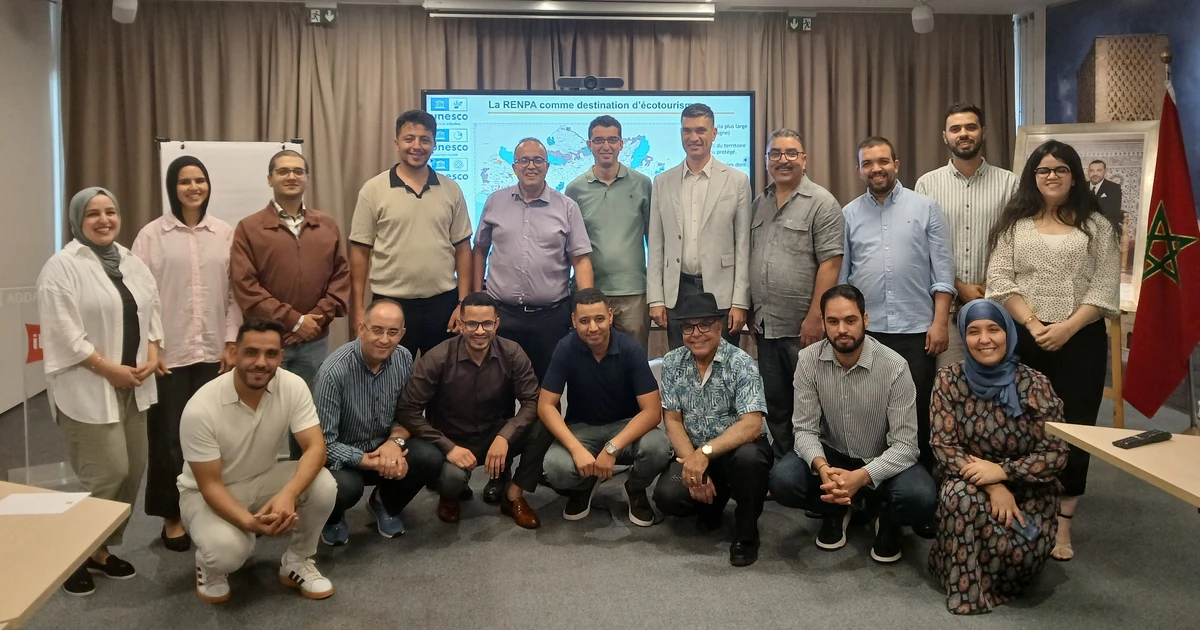
The Department of Sustainability and Environment of Andalusia has carried out a technical mission in Rabat, where experiences on the management of protected spaces have been exchanged. This initiative is part of an institutional twinning project between the European Union and the Kingdom of Morocco, in collaboration with the Foundation for the Internationalization of Public Administrations (FIAP) and other European partners.
Andalusian model as a reference
The Andalusian model has been selected due to its biogeographical and climatic similarities with Morocco, allowing for the addressing of common challenges such as biodiversity and tourist pressure. The Intercontinental Biosphere Reserve of the Mediterranean serves as a link between both countries, encompassing protected spaces in both territories.
The Network of Protected Natural Spaces of Andalusia (RENPA) covers more than 2.9 million hectares, representing almost 30% of the protected territorial area, making it an international benchmark for reconciling environmental conservation and economic development.
Focus on ecotourism
The approach of the Department of Sustainability and Environment highlights the potential of ecotourism as a driver of sustainable development, involving visitors in conservation and minimising environmental impact.
Among the operational tools shared with Moroccan professionals is the CUPOS platform, which allows for managing reservations in sensitive areas. This system helps regulate tourist flow, avoiding saturation and protecting ecosystems.
Additionally, the High Peaks Interpretation Service in Sierra Nevada has demonstrated that collective transport reduces the use of private vehicles in fragile areas, thus contributing to environmental education and conservation.
The access regulation service in the cliffs of Maro-Cerro Gordo is also noteworthy for its model of peripheral parking and minibuses during peak season, improving safety and managing tourist pressure.
Finally, the Visitor Window portal highlights the importance of having an updated digital platform that offers useful and accessible information, promoting good practices among visitors and redistributing pressure towards less crowded areas.

You may also like